
· Harwinder Singh · PMP
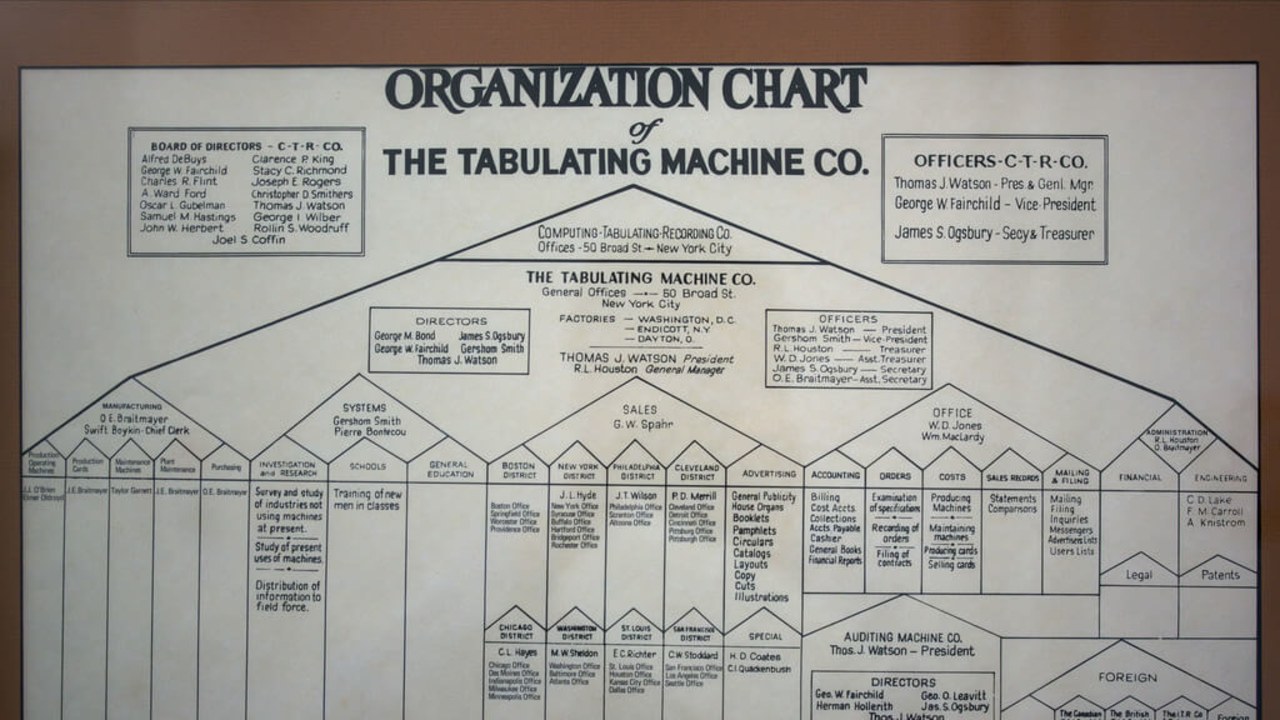
Functional Organizational Structure
In a functional organization is the most common form of organization structure where staff members are grouped by specialty, such as engineering, manufacturing, operations, and finance.
In a functional organization is the most common form of organization structure where staff members are grouped by specialty, such as engineering, manufacturing, operations, and finance.
Learn about the difference between Enterprise Environmental Factors (EEFs) and Organizational Process Assets with the help of examples and a cool new drag and drop game.
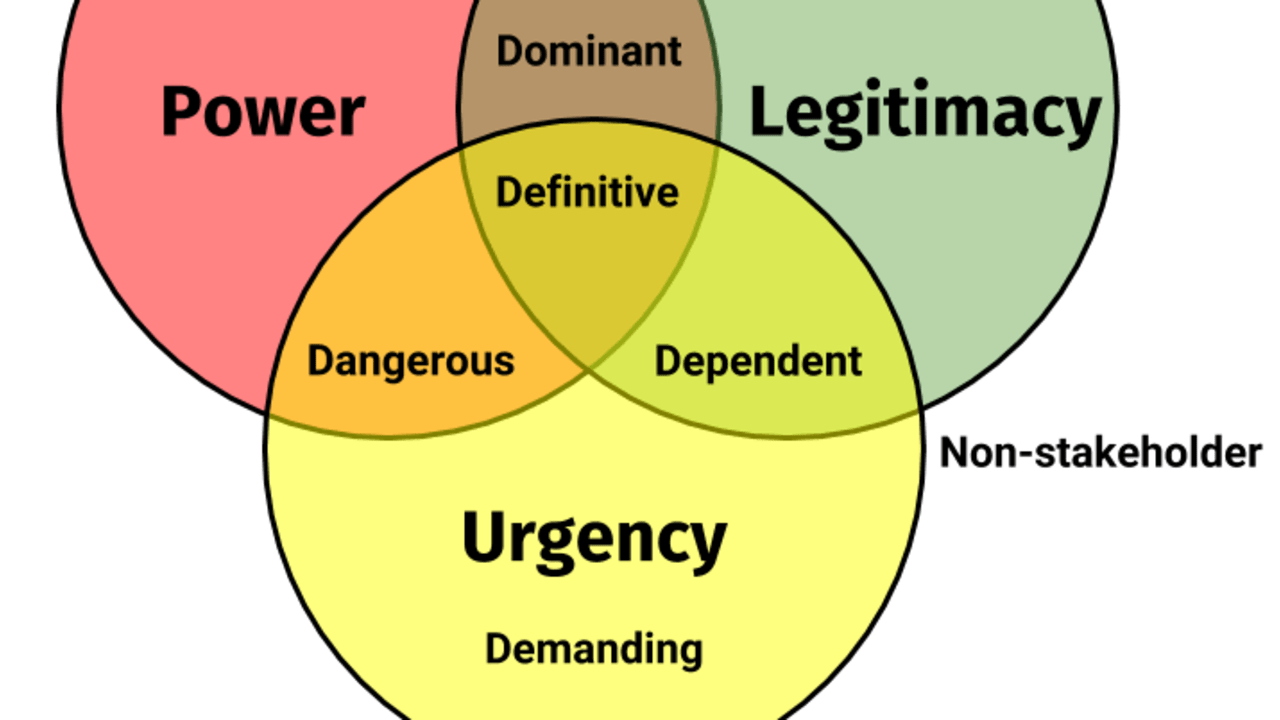
The Salience Model for stakeholder analysis and classification helps to identify the prominence of project stakeholders according to 3 attributes - Power, Legitimacy, and Urgency. It provides the project managers a systematic approach to managing stakeholder relationships.

A Pareto Chart or Diagram, one of the Seven Basic Quality Tools, is a specific type of Histogram ordered by frequency of occurrence.
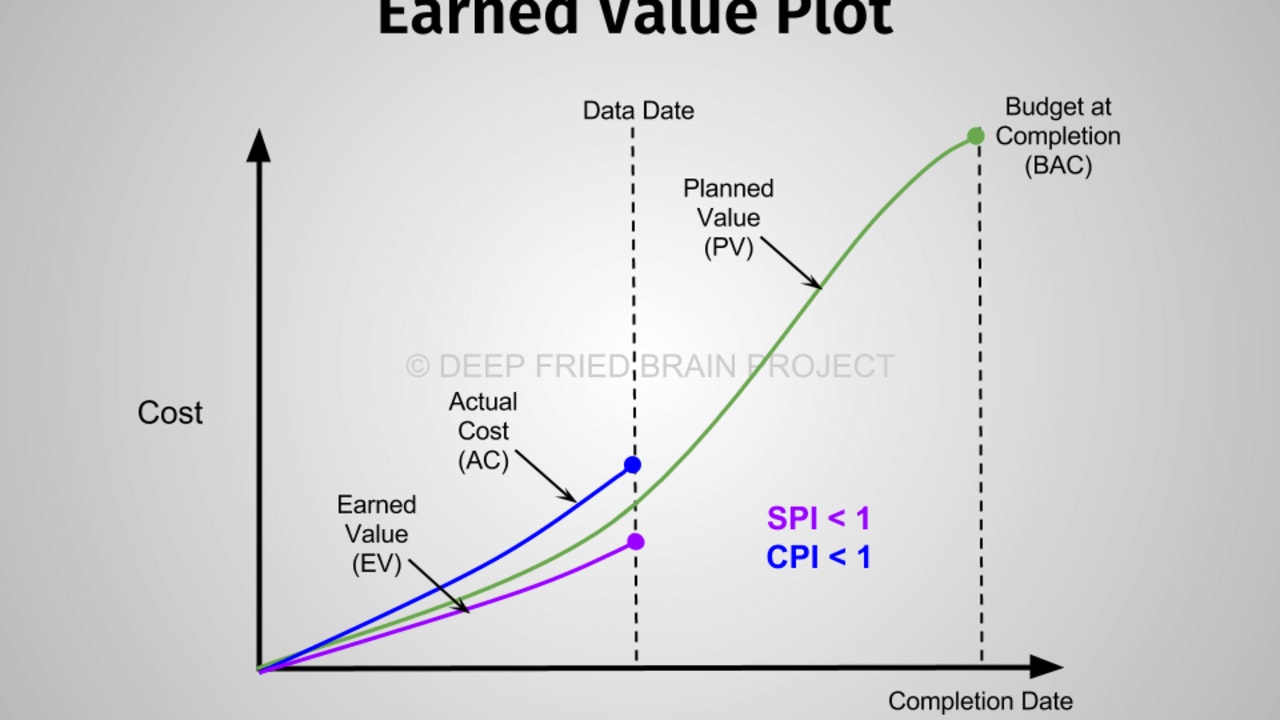
Schedule Performance Index (SPI) and Cost Performance Index (CPI) are Earned Value Management (EVM) measures for project schedule and cost efficiency in project management, and used to assess the magnitude of variation from the established schedule and cost baselines.

Learn about the difference between direct costs and indirect costs in project management with detailed examples and explanation.

Learn the difference between Discrete Effort, Apportioned Effort and Level of Effort (LOE) in project duration estimation for PMP certification.

Difference between Planned Value, Earned Value, and Actual Cost in Earned Value Management under Project Cost Management.

Mnemonics and Study Aids for PMP Certification to help memorize ITTO, Process Group and Knowledge Area names, and other project management concepts.

Understand the difference between Work Performance Data, Work Performance Information, Work Performance Reports in PMBOK 5th Edition.